Check Engine Light On: What It Means and What to Do
The check engine light means your vehicle's onboard diagnostic system has detected a potential problem involving the engine, emissions system, or a monitored component. A steady light often allows time to arrange diagnosis if the car runs normally, while a flashing light can indicate a serious engine misfire that may damage the catalytic converter. If the light flashes or the engine runs roughly, pull over safely and seek assistance.
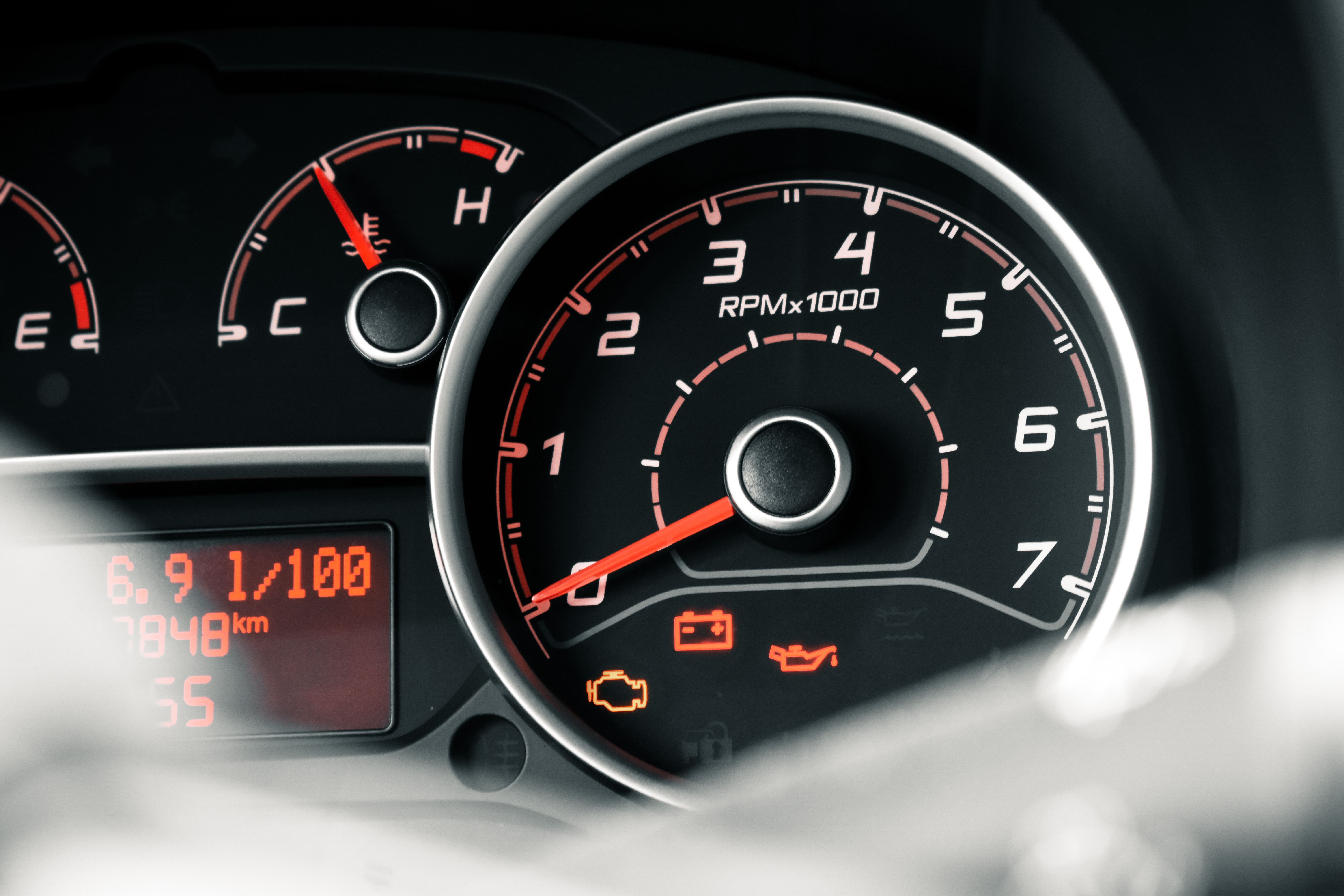
What Does the Check Engine Light Mean?
The check engine light, also called the malfunction indicator lamp (MIL), is part of your vehicle's onboard diagnostic system. It illuminates when the system detects a condition that may affect engine performance, emissions, or another monitored function.
The warning symbol usually looks like a small engine, although its appearance can vary by manufacturer. On many vehicles, the light turns on briefly when you start the engine as part of a normal dashboard self-check. It should generally turn off after the engine starts if the system does not detect a problem requiring a warning.
If the light stays on while driving, the vehicle may have stored one or more diagnostic trouble codes. These codes help narrow down the affected system, but they do not always identify the exact failed component.
Steady vs. Flashing Check Engine Light
The way the warning behaves can help you decide how urgently the vehicle needs attention. Always check your owner's manual for instructions specific to your make and model.
Steady Check Engine Light
A steady light means the diagnostic system has detected a fault that needs investigation. If the engine runs normally, no other warning lights are present, and your owner's manual does not advise stopping, you may be able to drive a short distance to a safe location or repair facility.
Do not ignore the warning just because the car seems normal. Some emissions-related problems may initially cause few noticeable symptoms.
Flashing Check Engine Light
A flashing check engine light often indicates an active engine misfire. When fuel does not burn properly inside a cylinder, unburned fuel may enter the exhaust and overheat the catalytic converter.
If the light flashes, especially if the engine shakes, loses power, or runs unevenly, reduce engine load and pull over somewhere safe. Turn off the engine and arrange professional diagnosis or roadside assistance. Continuing to drive can cause further damage.
Common Reasons the Check Engine Light Comes On
1. Loose or Damaged Gas Cap
On vehicles with a conventional fuel cap, a loose, damaged, or poorly sealed cap can allow fuel vapors to escape and trigger an evaporative emissions fault. If the warning appears shortly after refueling, check that the cap is correctly installed and tightened according to the vehicle's instructions.
The light may not turn off immediately after the cap is secured. The diagnostic system may need time and suitable driving conditions to confirm that the fault is no longer present.
2. Faulty Oxygen Sensor
Oxygen sensors monitor the oxygen content of exhaust gases and help the engine computer manage the air-fuel mixture. A faulty sensor or wiring problem can affect fuel control and emissions monitoring.
However, an oxygen-sensor code does not automatically mean the sensor needs replacement. Exhaust leaks, wiring faults, and other engine problems can sometimes cause similar readings.
3. Engine Misfire
A misfire occurs when one or more engine cylinders fail to burn the air-fuel mixture properly. Possible causes include worn spark plugs, ignition coil problems, fuel delivery issues, or mechanical faults.
Common symptoms include engine shaking, hesitation, rough idling, reduced power, and increased fuel consumption. A flashing warning light or severe symptoms should be treated as urgent.
4. Catalytic Converter or Emissions System Problem
The catalytic converter helps reduce harmful exhaust emissions. The diagnostic system may detect readings suggesting that the converter is not operating as expected.
The underlying cause could be a failing converter, an exhaust leak, sensor problems, or an engine fault that affects emissions. Replacing the catalytic converter without confirming the cause may not solve the problem.
5. Mass Airflow Sensor or Intake Problem
Vehicles equipped with a mass airflow sensor use it to measure the amount of air entering the engine. Incorrect readings, intake leaks, or electrical problems can interfere with the computer's fuel calculations.
Depending on the vehicle, symptoms may include hesitation, rough running, poor acceleration, or reduced fuel economy. Diagnostic testing is needed to distinguish between possible causes.
What Should You Do When the Check Engine Light Comes On?
Step 1: Check How the Vehicle Is Running
Pay attention to unusual shaking, knocking, smoke, overheating, loss of power, or a strong fuel smell. If the vehicle develops severe symptoms, pull over safely and switch off the engine.
Step 2: Check for Other Warning Lights
A check engine light accompanied by an oil pressure warning, an overheating warning, or another critical alert may indicate a more urgent problem. Follow the owner's manual and stop as soon as it is safe if a critical warning appears.
Step 3: Check the Gas Cap if Your Vehicle Has One
If the warning appeared after refueling, inspect the fuel cap if your vehicle uses one. Make sure it is correctly installed and undamaged. Do not inspect the fuel system near flames, sparks, or other ignition sources.
Step 4: Read the Diagnostic Trouble Codes
A compatible OBD-II scanner can retrieve diagnostic trouble codes from most US-market passenger vehicles from model year 1996 onward. Some vehicles may require manufacturer-specific equipment or additional diagnostic procedures.
Record the codes before clearing anything. A code points toward a system or condition that needs investigation; it is not proof that a specific part has failed. Further checks may be necessary to find the root cause.
Step 5: Arrange the Appropriate Repair
Use the diagnostic information to determine the next steps. If you are unsure how to interpret the codes, consult a qualified technician or the vehicle's service information before replacing parts.
Can You Keep Driving With the Check Engine Light On?
Whether you can continue driving depends on how the light behaves, how the vehicle runs, and whether other warnings are present. A steady light with no noticeable symptoms may allow a short trip to a repair facility, but the fault still needs diagnosis.
A flashing light, severe shaking, major power loss, smoke, overheating, unusual mechanical noises, or a critical oil pressure warning calls for a much more cautious response. Pull over safely and seek assistance rather than risking additional damage.
There is no single rule that applies to every vehicle. Check the owner's manual and follow any vehicle-specific instructions displayed on the dashboard.
Why You Should Not Ignore the Warning
Some check engine faults are relatively minor, while others can increase emissions, reduce fuel economy, affect drivability, or lead to more expensive repairs if left unresolved.
Continuing to drive with an active misfire or another serious fault can cause additional damage. Even if the vehicle seems normal, prompt diagnosis can help clarify the risk and avoid unnecessary parts replacement.
Avoid clearing the codes or disconnecting the battery simply to turn the warning off before diagnosis. Doing so can erase useful information and may reset emissions readiness monitors without fixing the underlying problem.
Frequently Asked Questions
There is no single most common cause across all vehicles. Possible causes include a loose fuel cap on vehicles that use one, sensor faults, ignition problems, intake leaks, and emissions system issues. Reading the diagnostic codes is a useful first step.
If the light is steady and the vehicle runs normally, a short trip to arrange diagnosis may be possible. Stop safely if severe symptoms or critical warning lights appear, and follow your owner's manual.
A flashing check engine light often signals an active misfire that may damage the catalytic converter. Reduce engine load, pull over somewhere safe, switch off the engine, and arrange professional diagnosis or roadside assistance.
It may turn off after the underlying condition is corrected and the vehicle completes the required diagnostic checks. However, a light that goes out does not always mean the issue has been fully resolved, so stored codes may still be worth checking.
Not always. A diagnostic trouble code identifies a detected condition or affected system, but additional testing may be needed to determine the actual cause.