How to Unfreeze Car Doors: Safe Winter Methods
If your car door is frozen shut, do not force the handle. First try another door, remove visible ice from around the seals, and use a commercial de-icer or gentle heat to melt the ice. For a frozen lock, use a lock de-icer or another vehicle-safe method. Avoid pouring boiling water over the door because rapid temperature changes can damage glass, paint, seals, or locking components.
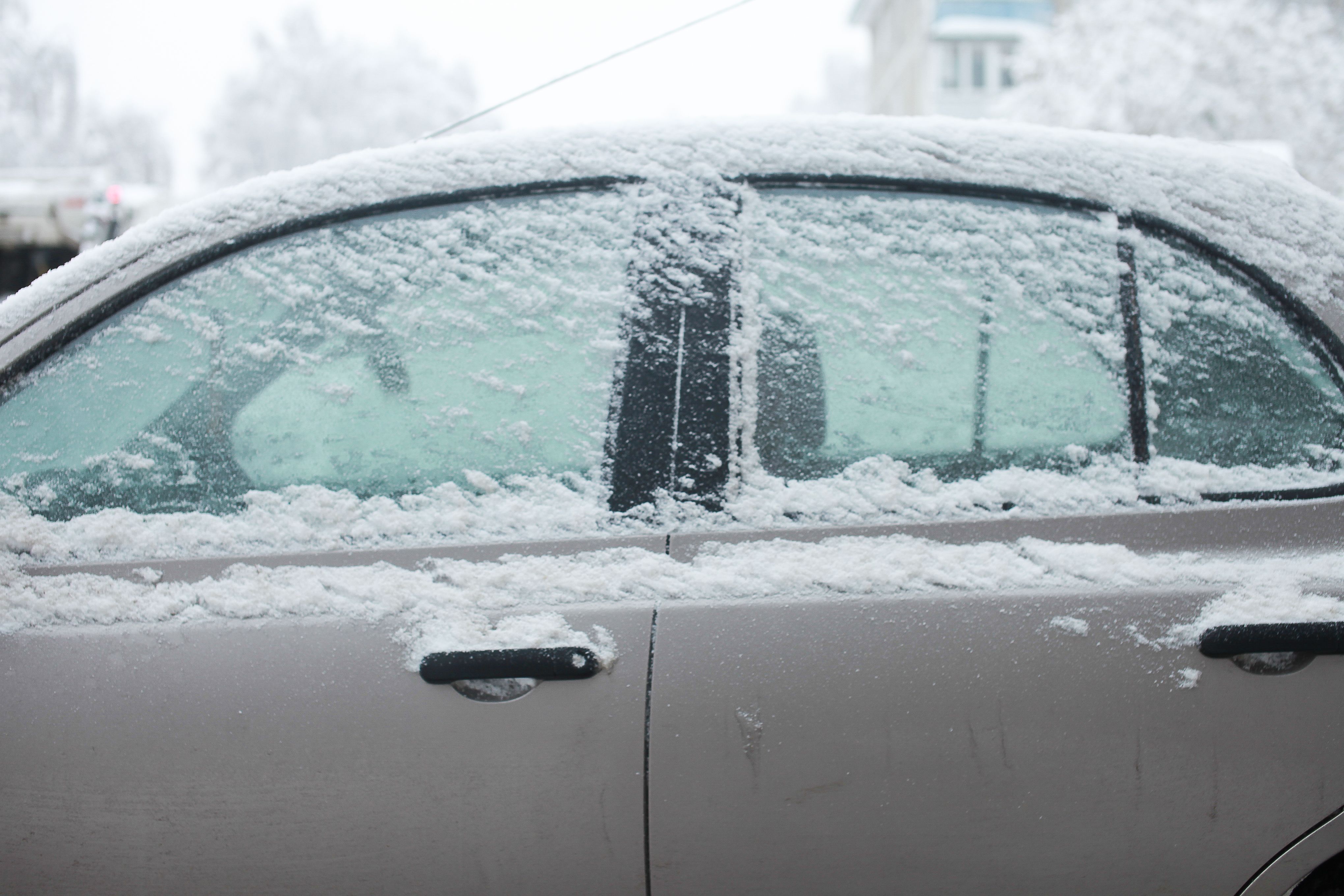
Why Do Car Doors Freeze Shut?
Car doors commonly freeze when moisture gets between the door seals, latch, or lock components and then turns into ice when temperatures drop below freezing. Snow, rain, melted ice, and condensation can all leave enough moisture behind to cause problems after a cold night.
Door seals can also become frozen directly to the body of the vehicle. Pulling the handle aggressively in this situation can damage the handle, weatherstripping, or locking mechanism.
Common Types of Frozen Car Door Problems
- Frozen Door Seals: Moisture freezes between the rubber weatherstripping and the door frame.
- Frozen Door Lock: Ice forms inside or around the lock mechanism, preventing the key or lock cylinder from operating.
- Frozen Latch: Ice prevents the latch from releasing even when the door handle moves.
- Ice Around the Door: Snow or frozen water forms along the edges and prevents the door from opening normally.
How to Unfreeze a Car Door Step by Step
1. Try Another Door
Before trying to force the frozen door open, check whether another door or the trunk can be opened. If you can enter the vehicle through another opening, start the engine if appropriate and allow the vehicle's interior heat to gradually warm the cabin and door seals.
Do not leave a running vehicle unattended in an enclosed garage because of the risk of carbon monoxide buildup.
2. Remove Loose Snow and Ice
Use a soft snow brush or your hand to remove loose snow from around the door edges, handle, window, and seals. Carefully remove visible ice without using sharp metal objects that could scratch the paint.
3. Gently Press the Door Inward
If the weather seal appears frozen to the body, gently press the door inward before trying to pull it open. This can sometimes help break a thin layer of ice around the seal.
Use controlled pressure rather than pulling hard on the door handle. If the door does not move, stop and use another method instead of increasing the force.
4. Use a Commercial De-Icer
A vehicle-safe de-icing product can be applied around frozen door seals, latches, or locks according to its instructions. Allow the product time to work before attempting to open the door again.
For a frozen key lock, use a product specifically intended for vehicle locks rather than forcing the key into the mechanism.
5. Apply Gentle Heat
Gentle warm air can help melt ice around a frozen door seal or latch. A hair dryer used from a safe distance may be suitable when electrical equipment can be used safely outdoors and away from standing water.
Keep the heat moving rather than concentrating it on one small area. Excessive heat can damage paint, rubber seals, plastic trim, or other components.
How to Unfreeze a Car Door Lock
A frozen lock may prevent the key from entering or turning. If the vehicle has keyless entry, try the remote or another available access method first.
- Use Lock De-Icer: Apply a product designed for frozen automotive locks and follow its instructions.
- Warm the Key: If the vehicle uses a traditional metal key, gently warming the key may help transfer heat to the frozen lock. Do not overheat the key.
- Use Gentle Heat: Warm air can gradually melt ice inside or around the lock.
- Do Not Force the Key: A key can bend or break inside a frozen lock if excessive force is used.
What Not to Do When a Car Door Is Frozen
Some quick fixes can create more problems than they solve. Avoid methods that can cause thermal shock, mechanical damage, or scratches.
- Do Not Pour Boiling Water: Hot water can rapidly cool and refreeze, and the sudden temperature change may damage glass or other components.
- Do Not Yank the Door Handle: Excessive force can break the handle or damage the latch mechanism.
- Do Not Use Sharp Metal Tools: Knives, screwdrivers, and similar tools can scratch paint or damage weatherstripping.
- Do Not Overheat One Spot: Concentrated heat can damage paint, rubber, plastic, or trim.
- Do Not Force a Frozen Key: A broken key inside the lock can make the problem much more difficult to solve.
How to Prevent Car Doors From Freezing
A few simple precautions can reduce the chance of waking up to a frozen car door after snow, rain, or freezing temperatures.
- Dry the Door Seals: Remove excess moisture from the rubber weatherstripping before freezing temperatures arrive.
- Keep Seals Clean: Dirt and debris can make it easier for moisture to remain around the door seals.
- Use a Rubber Seal Conditioner: A product designed for automotive weatherstripping may help keep rubber seals flexible and reduce moisture-related sticking.
- Protect the Vehicle: Parking in a garage or under suitable cover can reduce exposure to snow, rain, and freezing temperatures.
- Keep De-Icer Available: Store an appropriate lock or door de-icer somewhere accessible rather than locked inside the vehicle.
What If the Door Still Will Not Open?
If the door remains frozen after careful de-icing and gentle warming, avoid increasing the force. There may be ice inside the latch mechanism or another mechanical problem that is not caused by freezing alone.
If other doors work normally but one door repeatedly freezes or refuses to latch or unlock, the affected door's latch, lock, or weatherstripping may need inspection.
Frequently Asked Questions
Remove loose ice, gently press the door inward, and use a vehicle-safe de-icer or gentle warm air around the frozen area. Avoid forcing the handle or pouring boiling water over the door.
It is better to avoid hot or boiling water. Water can refreeze around the door after it cools, and a rapid temperature change can potentially damage glass or other vehicle components.
A commercial lock de-icer or gentle heat can help melt ice inside a frozen lock. If using a physical key, avoid forcing it because it can bend or break inside the lock.
Keeping the door seals clean and dry, using a suitable rubber seal conditioner, and protecting the vehicle from snow and rain can reduce the chance of the doors freezing shut.