What Should You Do When the Car Battery Light Comes On While Driving?
When the battery light illuminates while driving, it means your vehicle is running purely on battery power because the charging system (alternator) has stopped generating electricity. Turn off all non-essential electronics (AC, radio, seat warmers) immediately and drive safely to a repair shop or safe pulling area before the battery drains completely.
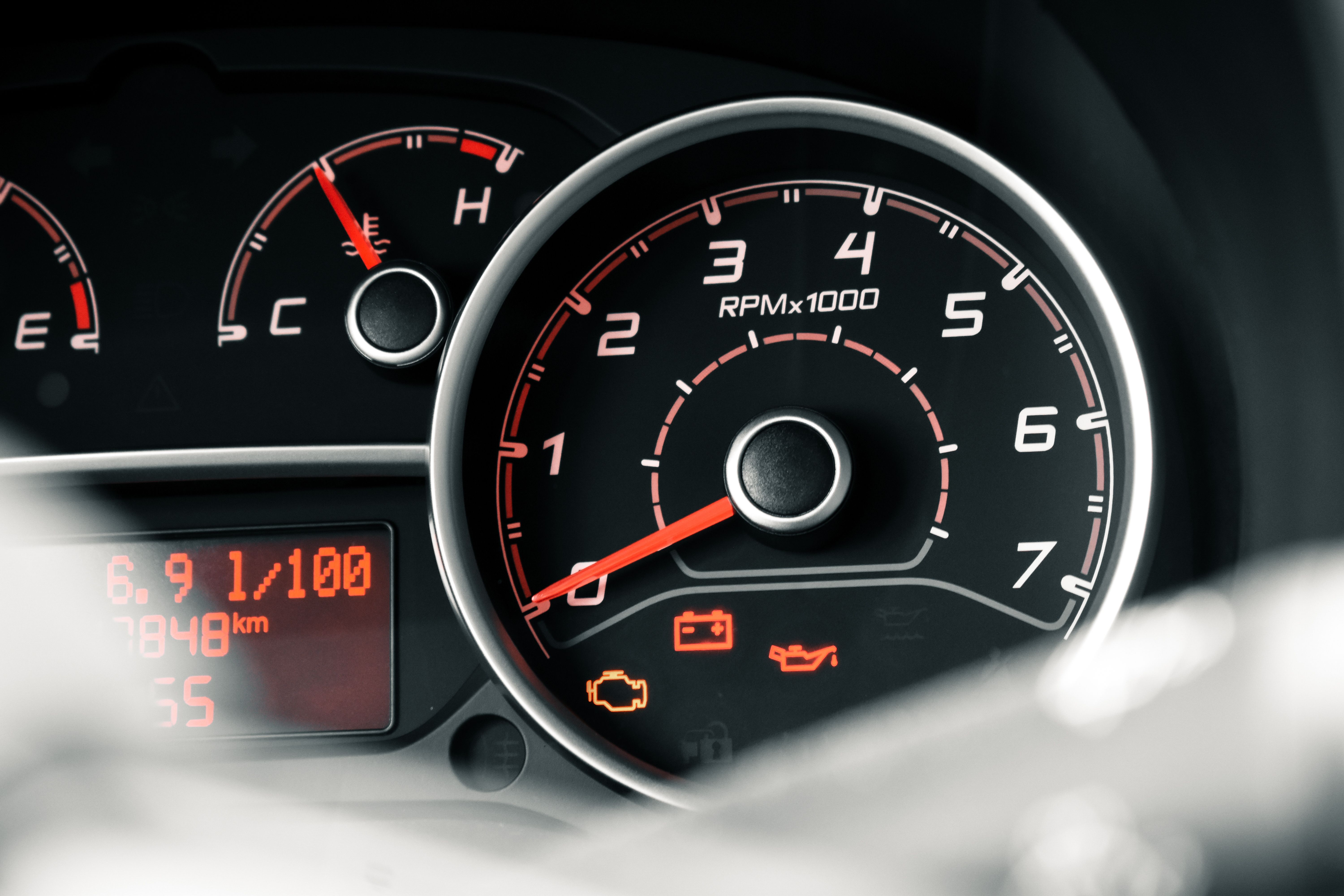
Top Causes of an Illuminated Battery Warning Light
Contrary to popular belief, the battery light rarely means the battery itself has failed. Instead, it signals that system voltage has dropped below normal (~13.5 to 14.5 volts), meaning the engine is consuming battery reserve power to stay running.
1. Failing or Dead Alternator
The alternator powers all vehicle electronics and recharges the battery while the engine runs. Internal component failures—such as worn carbon brushes, a shorted diode bridge, or a bad voltage regulator—will cause the alternator to stop charging, triggering the battery light.
2. Broken or Loose Serpentine Belt
The alternator is turned by the engine's serpentine belt. If the belt snaps, stretches, or loses tension due to a failed belt tensioner, the alternator pulley stops spinning, cutting off all electrical generation instantly.
3. Corroded or Loose Battery Terminals
Heavy white or bluish corrosion buildup around battery posts increases electrical resistance. Loose terminal clamps can interrupt the circuit between the alternator, battery, and engine control unit (ECU).
4. Damaged Ground Cable or Wiring
Vibration and age can loosen or snap the main chassis ground wire connecting the battery and engine block to the car body. A broken ground wire prevents proper current return, triggering electrical glitches alongside the battery light.
Immediate Steps to Take on the Road
- Turn Off Electrical Accessories: Switch off air conditioning, radio, heated seats, cabin fans, and unplug phone chargers to preserve precious battery voltage.
- Keep the Engine Running: Do not turn off the ignition until you have reached a safe destination or auto repair shop. Once turned off, a discharged battery will not have enough power to restart the engine.
- Check Under the Hood (When Stopped): Visually inspect if the drive belt connected to the alternator is still intact and spinning smoothly.
Frequently Asked Questions
Usually between 15 to 30 minutes, depending on headlight usage and battery health. Once the battery reaches ~10 volts, the engine ECU and fuel pump will shut down.
No, if the underlying cause is a faulty alternator or snapped serpentine belt, installing a new battery will only power the vehicle for a short time before dying again.